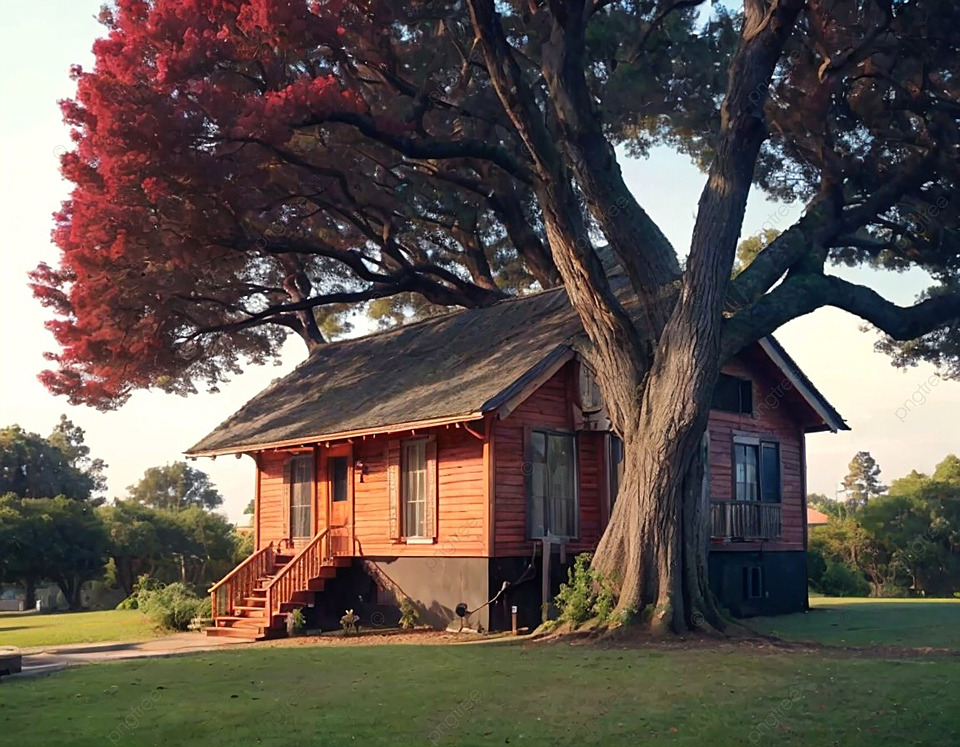
Autumn Arbor: Essential Tree Pruning and Maintenance for the Fall Season Mar 13, 2026
Understanding the benefits of autumn’s cooler temperatures and dormant tree phases can make tree maintenance in the fall both practical and beneficial. Besides enhancing your landscape’s appearance, autumn tree pruning reduces potential hazards, prevents diseases, and supports healthy regrowth in the spring. These benefits underscore why maintaining trees before the onset of winter is essential.
One of the primary reasons fall is an ideal time for tree pruning is because trees start entering their dormant phase. During this period, trees halt their growth, conserving energy and making them less vulnerable to stress. Pruning during dormancy is optimal as it minimizes the risk of disease spread, such as oak wilt. Additionally, without the heavy sap flow in spring, pruning cuts are less likely to bleed.
Proper pruning techniques are essential to avoid damage and ensure tree health. Removing dead or weakened branches is critical in preventing breakage during Minnesota’s harsh winter storms. Misguided pruning can harm trees, inviting disease and pests. Therefore, it might be advisable to seek professional assistance, ensuring cuts are made accurately and safely. Hiring experts like those at Minnesota Seasonal guarantees that best practices are followed, such as making clean cuts at the branch collar and avoiding over-pruning.
Focusing on tree maintenance also involves identifying and managing potential hazards. Inspect your trees for any signs of decay or damage. Trees with significant dead wood or structural issues should be evaluated to reduce the chance of falling branches, which can pose risks to property and safety. By proactively addressing these potential problems during fall, you can mitigate risks before the weight of winter snow exacerbates them.
Furthermore, maintaining tree health involves more than just pruning. Fall is an excellent time to assess and amend soil conditions. Introducing mulch can regulate soil moisture and temperature, protecting the root systems during cold snaps. This practice not only guards the health of your trees but also enriches the soil as the mulch decomposes over time.
Watering is another critical, yet often overlooked aspect of fall tree care. While watering might seem unnecessary as the weather cools, adequate hydration before the ground freezes is vital for trees’ long-term health. Ensure that your trees receive ample water, especially after dry spells.
Concluding your fall tree care with a strategic plan for ongoing monitoring enhances the trees' vitality and helps anticipate any future issues. By observing any changes or irregularities, you can take informed steps in arranging necessary maintenance, making spring transition seamless and stress-free.
In essence, fall tree care is not just a seasonal chore but an investment in the long-term health of your landscape. For homeowners and commercial properties in Minnesota, engaging in autumn arbor maintenance ensures a resilient and lush landscape. Let Minnesota Seasonal assist you in this endeavor to nurture your trees through the seasons, ensuring they remain strong and radiant all year round.
/filters:no_upscale()/filters:format(webp)/media/095ceddb-2095-4b06-858b-372582bb2417.jpeg)